
BASCO Foundation has a clear Financial Control and Personnel Control Policy. Financial transactions, accounting, audit and buying-purchase are among them.
Receipts of Funds:
Bank account: The organization will have a bank account under the name “BASCO Foundation” in any schedule bank of Bangladesh for collecting all types of domestic or foreign funds. Different account for different projects will be opened with approval by the executive committee (EC). All bank account and authorized signers on the organization`s bank account will be approval from the executive committee/board.
The bank account will be opened by the name of the Chairman, the Executive Director (CEO), the General Secretary or Treasurer and operated by any two joint signatures of them. Other branch offices bank account will be opened by the joint signature of Executive Director (CEO) or Manager and one senior Officer.
Fund receipts:
All types of funds received by the organization either cash or check from government, private, domestic or foreign and all types of loans must be deposited into the organization`s bank account. After depositing, the organization will be informing to all donors and others sector. The daily collected money must be deposited into the bank account on the same day.
Deposit slip and voucher:
After depositing the funds into bank account, a voucher must be made and signed by two authorized person ( Chairman, Executive Director/CEO, Manager, accountants). All accounts must be posted in the register and ledger as per the rules according by date and signed by the authority. Each deposit slip and voucher must be kept to the file and is confidential. The source of funds will be mentioned in details in the voucher.
Bank check book and cash withdrawal:
Bank check book: Unused bank check book will be kept by Chairman/Executive Director (CEO)/Treasurer for all types of receipts foreign/domestic funds and others bank check book (for branch office) will be kept by authorized staff who is approved by Executive Body/Committee. All unused check book will be kept confidential.
Check authorization and Cash withdrawal/payments:
Cash withdrawal for any needed expenditure there will be requisition form/invoice form. It will be made and fill up invoice/requisition form and submitted to authorization board (There will be authorization board for purchasing all types of goods). The board will justification and review the invoice/requisition. After satisfactory the board will be approved the invoice. Upon approval of the requisition/invoice check holder and authorized signers will be signed with written the amount according to invoice/requisition. There will be a check issue register. The accountant will record/entry the check and amount in the check issues register. The authorized person signing the check issues register will initial sign.
A blank check should never be left signed.
Petty cash funds:
Payments by cash are not completely document and are not easily monitored or audited. So the petty cash fund should must be abandoned. It should be only used when payment by check is impracticable.
Expense and Purchasing:
The organization should not have the same level of control over expenses incurred on behalf of the organization. Likewise the organization wants to ensure that all purchases on behalf of the organization are authorized by the board or by board policies. Expenses will be must related to the budgets in all cases.
Documentation:
All expenses must be fully documented. Budget, transparency and impartiality must be maintained at all times when it comes to weddings.
Over payment:
Extra expenses should be avoided at all times.
Purchase:
All purchase made on behalf of the organization must be made pursuant to the board approve budget or board rules. The board must not approve purchase above the amount.
Register and record:
All transactions and information regarding purchases and expenditure must be recorded in register and ledger with sign by the authority.
Property:
Property and all equipment owned by the organization may only be used for organization`s activities. It may not be used for personal purposes.
Financial policy for staff:
The Organization employees/staffs/volunteers are generally required to be honest, accountable and follow government labor laws and donor agency guidelines.
The main instruction of staffs is given below:-
- Staff salaries: The organization`s staffs will be paid monthly salaries, bonuses, travel allowance, gratuity according by salary structure and accident compensation.
Financial code of conduct and accountability: - Transparency: Staffs must maintain the utmost transparency in financial transactions and misuse of the organization funds is strictly prohibited.
- Financial irregularities: If staffs involved in any kind of financial irregularities or corruption, strict disciplinary action is taken, even dismissal and legal action may be taken.
- Acceptance of gifts and bribes: Staffs/employees must refrain from personally accepting any type of bribe or large gift, which may create a conflict of interest.
- Transaction approval: All expense must be approved in advance by the appropriate authority (e.g. Executive Director/CEO of finance Manager of Chief accountant).
Financial Management Procedures:
- Budget Follow-up: Staffs must work within the approved budget and no extra-budgetary expenses may be incurred.
- Advance receipt and adjustment: If an staffs receives advance money from the office for travel or any other need, he must adjust it by submitting the expense bill within a specified time.
- Accounting: It is mandatory to maintain accurate and complete records or accounts of every financial transaction.
Audit:
Internal and annual audits of the organization are carried out, where the financial activities of the staff are also verified. All financial activities such as fund receipts, bank deposited, withdrawal, expenses, purchase, register, check book and other all documents will must be audited by the internal and external auditors. Internal auditors and external auditors will be appointed and approval by the organization executive Committee/board.
Financial record keeping:
All financial report and record will be kept for at least 5 years.
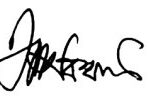
Nilmadhab Biswas |
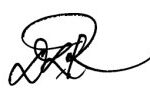
Dipak Kumar Roy |